
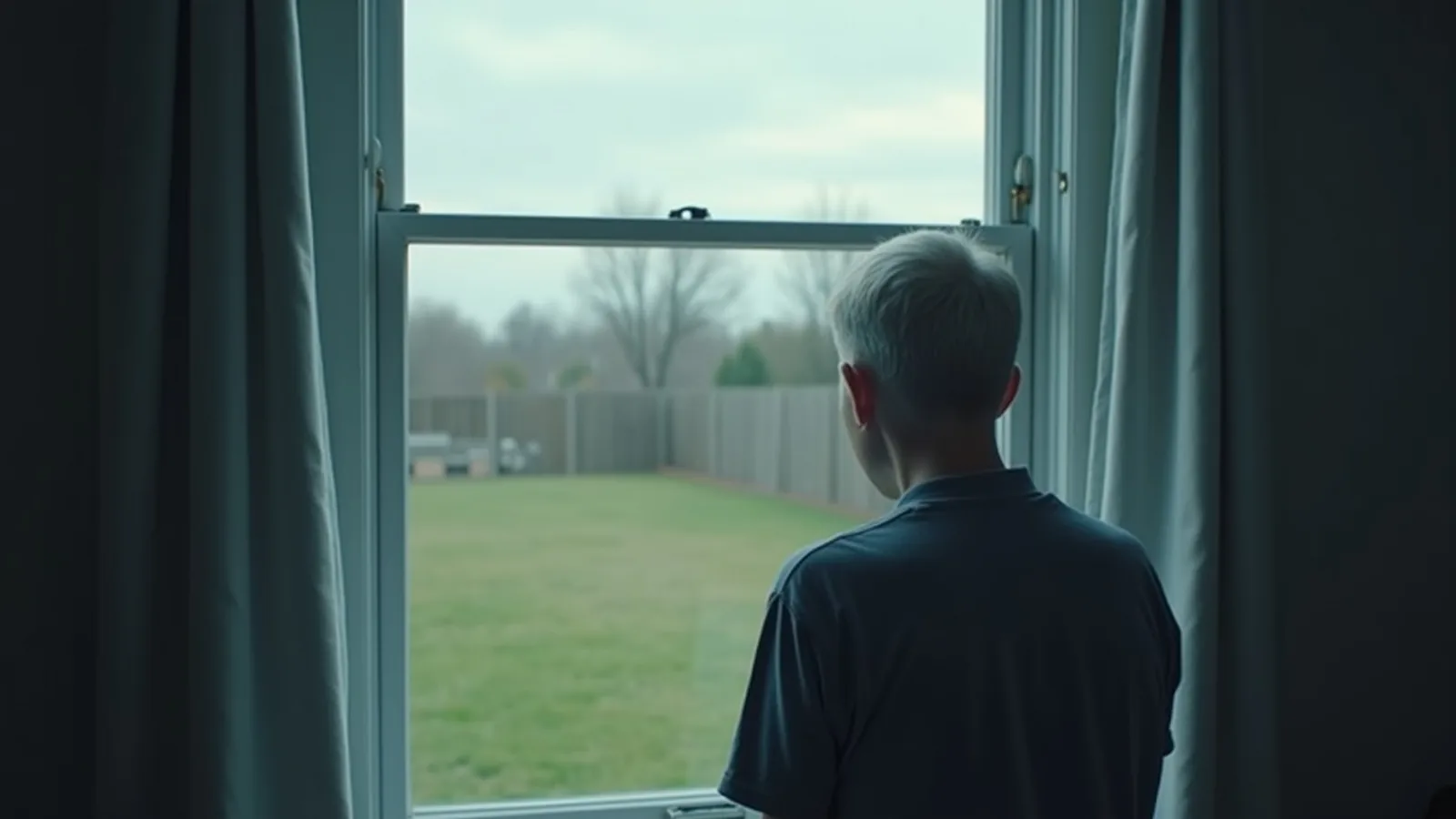
Rejected parent syndrome is the deep stress and grief a parent feels when a child pulls away, an informal term, not a formal diagnosis. It names what the rejected parent goes through, often during parental alienation. This guide covers the term, how it hurts, the common traps parents fall into, and where to find help.
A note on safety
A parent may be rejected for good cause. Where the rejection is the child’s fair response to abuse or neglect, that is estrangement, not alienation, and the parent is not a “victim” of alienation. If a child’s safety is at risk, call local police or a domestic-violence resource first.
This page is here to teach. It does not diagnose any condition. It does not replace care from a licensed pro, and it does not create a clinical bond. Anyone in distress should talk with a trained clinician.
What rejected parent syndrome means
A rejected parent is the mom or dad a child resists, avoids, or refuses to see. Writers also call this person the targeted parent. Rejected parent syndrome is the casual name for what that parent goes through. It covers the grief, the worry, and the stress of being pushed out of a child’s life. The term puts the spotlight on the parent, not on the child’s behavior.
This page treats “rejected parent” and “targeted parent” as the same thing. Both name a parent on the receiving end of a child’s rejection. Often that rejection grows out of parental alienation, where one parent turns a child against the other. The label gives parents a short way to name a hurt that can feel lonely and hard to put into words.
The word “syndrome” sounds clinical. Here it is not. This is plain speech, not a label a doctor can hand out. The next part shows why that gap matters.
Why “syndrome” is informal language, not a diagnosis
A syndrome, in medicine, is a set group of symptoms that show up together. Rejected parent syndrome does not meet that bar. No medical manual lists it. The main one, the DSM, does not include it, and neither does the global guide that clinicians use.
That does not make the pain any less real. It means the phrase paints a picture, but it does not name a disease. People reach for it the way they reach for “empty nest” or “burnout” in daily talk. Plain words are fine here. Treating the phrase as a medical ruling is not.
So why does the gap matter? Two reasons stand out. A parent who thinks they have a true disorder may chase a cure that does not exist. A parent who reads the term as a label can look instead at the real, treatable problems below it, such as trauma, worry, and grief. The matching idea about the child, often called parental alienation syndrome, is a separate and much-debated idea. This page keeps the focus on the parent.
How rejection affects the rejected parent
Being cut off from a child is one of the most painful things a person can face. Faust Ruggiero, a psychologist with decades of practice, shows how this pain can build into post-traumatic stress. Alienation rarely lands as one big blow. It tends to come as a long string of small wounds: a missed call, a refused visit, a cold handoff in a parking lot.
In time, those small wounds can stop healing on their own. Ruggiero notes that most people work through stress and let it go. When that release fails, the body stays on alert. Sleep suffers. Hunger shifts. Small sounds spark big reactions. Some parents start to dread the ding of a text or the sight of mail in the box.
Researchers see the same pattern in the wider record. Harman, Kruk, and Hines (2018) call these alienating behaviors an unacknowledged form of family violence, and they track the toll on targeted parents: worry, low mood, and high stress. The harm is well logged. The American Psychological Association also covers how divorce and custody fights affect families. For more depth, see the long-term effects of parental alienation and parental alienation trauma.
A simple test comes from Ruggiero’s work. Normal stress speeds the body up but leaves the mind clear. A parent can still gather facts and plan. When stress tips into trauma, that clear thinking fades. The thought “if I could just get my body to calm down, I think I could think through things” starts to come up a lot. When it does, paid support helps.
When rejection is justified: estrangement is not alienation
Not every rejected parent is a victim of alienation. This point is key. A child may pull away for real reasons, and a fair page has to say so.
Joshua Coleman, a psychologist, places alienation inside a bigger picture. Estrangement is the broad word for any cut-off or strained tie between a parent and child. Alienation is just one cause. A child may also step back because a parent truly was abusive or neglectful and has not made amends. Coleman calls that justified estrangement.
The gap carries weight. Where a child’s rejection is a fair response to abuse, that is estrangement, not alienation. In that case the parent is not a “victim” of alienation. The right path is to own the harm and make repairs, not to fight to flip the child’s view. Honest self-checking is part of healthy coping. Other paths exist too, such as a child caught in a loyalty bind or shaped by mental illness in the family.
This page does not assume every rejection is unfair. It offers words and support for parents whose story fits, while it respects that children can have real reasons to step back.
Five common mistakes rejected parents make under stress
Randy Flood, a licensed psychologist, has named five common slips that rejected parents make while caught in alienation. He is careful to put “mistakes” in quotes. These are not flaws of character. They are common reactions to one of the hardest things a person can face. Naming them helps parents steer clear of them.
- Taking the rejection personally. A parent may read a teen’s anger as a verdict on their worth. Flood frames the child’s rejection as a survival move under pressure, not a true judgment. Taking it to heart deepens both the hurt and the anger.
- Piling on discipline. Alienated children can look defiant, so a parent may add lectures and penalties. These children need warmth and help, not punishment. Harsh moves also get spun as proof the parent is unfit.
- Asking others to lecture the child. When their own say-so feels brushed aside, parents sometimes ask grandparents, aunts, or coaches to set the child straight. The child reads this as shaming and pulls away further.
- Hitting back at the other parent. Snide emails, social-media venting, and blowups at handoffs may feel good. Flood warns that hitting back “may feel good but does not do good.” It tends to become proof against the rejected parent.
- Coming across to pros as angry and harsh. Because alienation runs against the gut, an angry parent can confirm a pro’s wrong hunch. Flood’s advice is to show up as the best version of oneself, “madly in love with their children, not mad.”
Each of these moves makes sense. Each one tends to backfire. Knowing them is the first defense.
The path forward: healthy coping and where to find help
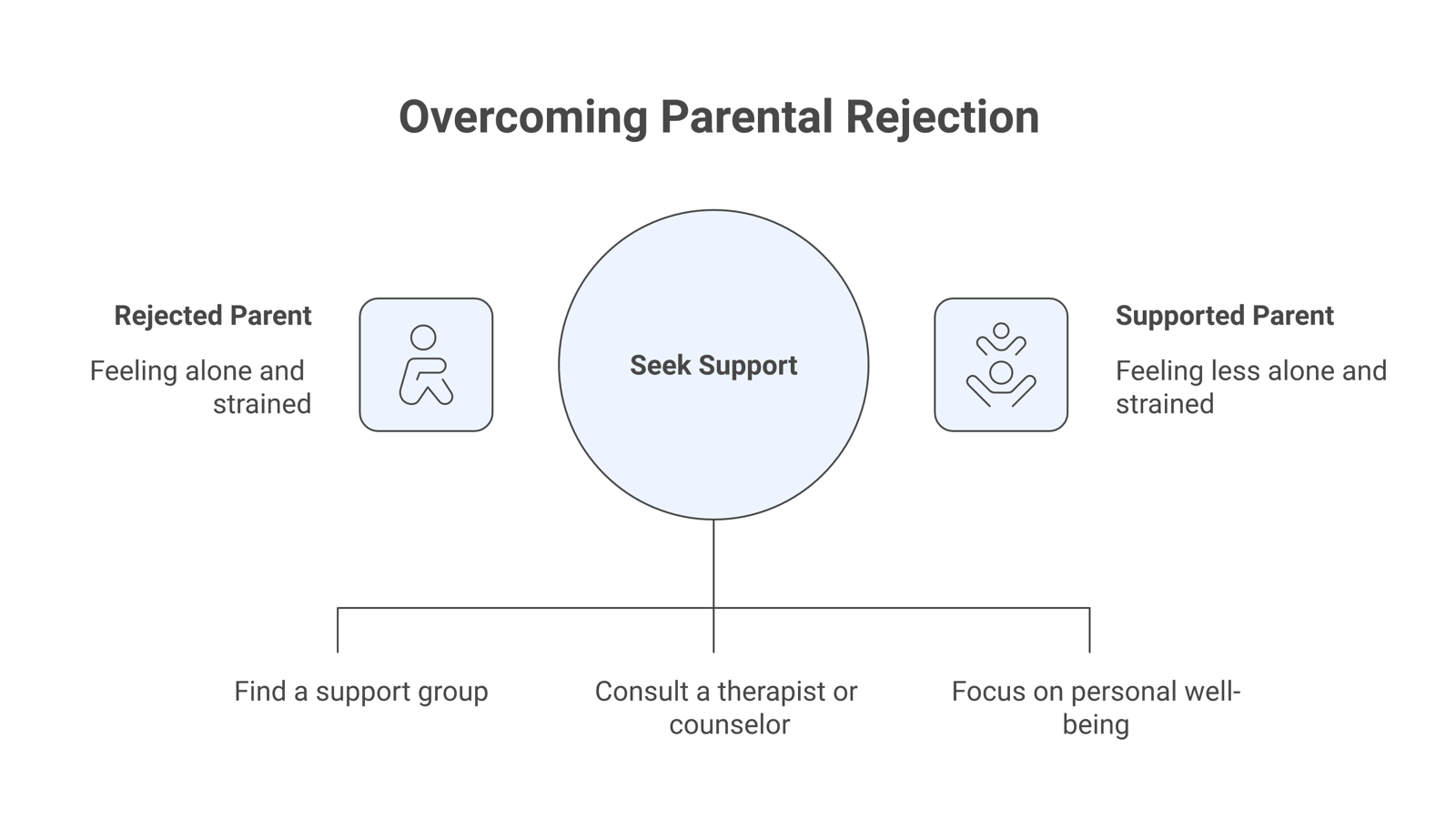
Healing is possible, even when a reunion is not yet in sight. Lawrence Joss, who started a peer support group for alienated parents, offers four guiding ideas that line up with Ruggiero’s clinical frame.
First, healing is for the parent, not a trick to control the child. A parent works to become their steadiest self, no matter whether the child comes back. Second, a group helps. Talking with others who get it cuts down on the lonely feeling. Third, energy runs out. Saying no to extra loads during hard stretches is part of healing, not a failure of it. Fourth, the parent shows up for their own life first. A full life is the base, and any future tie grows from there.
Ruggiero’s care frame fills this out. He suggests a balance of four areas rather than a fix to the family alone: the body, fact-based thinking, feelings that follow the facts, and a sense of grounding through faith, quiet, or some practice. Sleep, food, and movement are not small things here. They steady the body so the mind can work.
So where can a parent turn? A licensed therapist who knows high-conflict splits can help with trauma and grief. Peer groups offer a tie to others and a wider view. The resources at the foot of this page give fast help in a crisis. For a fuller guide to rebuilding, see recovering from parental alienation.
One reminder runs through all of this. Healing rests on what a parent can control: their own calm, their own choices, their own health. It does not rest on winning a fight or forcing a change of heart.
Frequently asked questions
Is rejected parent syndrome a real diagnosis?
No. Rejected parent syndrome is a casual, plain-language term, not a formal clinical diagnosis. No major medical manual lists it. The phrase names a real and painful thing. Still, the treatable problems below it, such as trauma, worry, and grief, are what clinicians actually treat.
What is the difference between a rejected parent and an alienated parent?
The terms overlap. A rejected parent is any parent a child resists or refuses. An alienated parent is a rejected parent whose case is driven by one parent turning the child against the other. Every alienated parent is rejected, though not every rejection is alienation.
Is being a rejected parent the same as estrangement?
Not always. Estrangement is the broad word for a strained or cut-off tie between parent and child. Alienation is one cause of it. When a child pulls away over real abuse or neglect, that is justified estrangement, not alienation, and the path forward is to own the harm and make repairs.
What should a rejected parent do first?
Focus on staying steady and getting support. That means caring for the body and the mind, holding back from payback, and finding people who get it. A licensed therapist who knows high-conflict splits can help. If safety is a worry, crisis resources are open at any time.
Can the relationship be repaired?
Often it can, though there is no set timeline. Experts treat a reunion as a slow, careful process, not a single event. A parent who stays steady, dodges the common slips, and stays open gives the bond its best chance to heal when the child is ready.
Sources and further reading
- American Psychological Association. Divorce and child custody. apa.org/topics/divorce-child-custody
- Harman, J. J., Kruk, E., & Hines, D. A. (2018). Parental alienating behaviors: An unacknowledged form of family violence. Psychological Bulletin, 144(12), 1275 to 1299. https://doi.org/10.1037/bul0000175
- Flood, R. (2026). The top 5 mistakes rejected targeted parents make. YouTube practitioner commentary.
- Ruggiero, F., and Joss, L. (2026). Trauma, recovery, and the alienated parent. Family Disappeared podcast.
If you or your child are in crisis
Free and confidential help is available right now.
- 988 Suicide and Crisis Lifeline. Call or text 988. 988lifeline.org
- Childhelp National Child Abuse Hotline. 1-800-422-4453. childhelp.org
- NAMI HelpLine. 1-800-950-6264. nami.org/help
Last reviewed: 2026-06-06. Author: Alex Buckles (PAC Founder).